

The Desert Defense: Essential Winter Home Maintenance and Freeze Protection Guide for Southern Utah (St. George & Washington County)
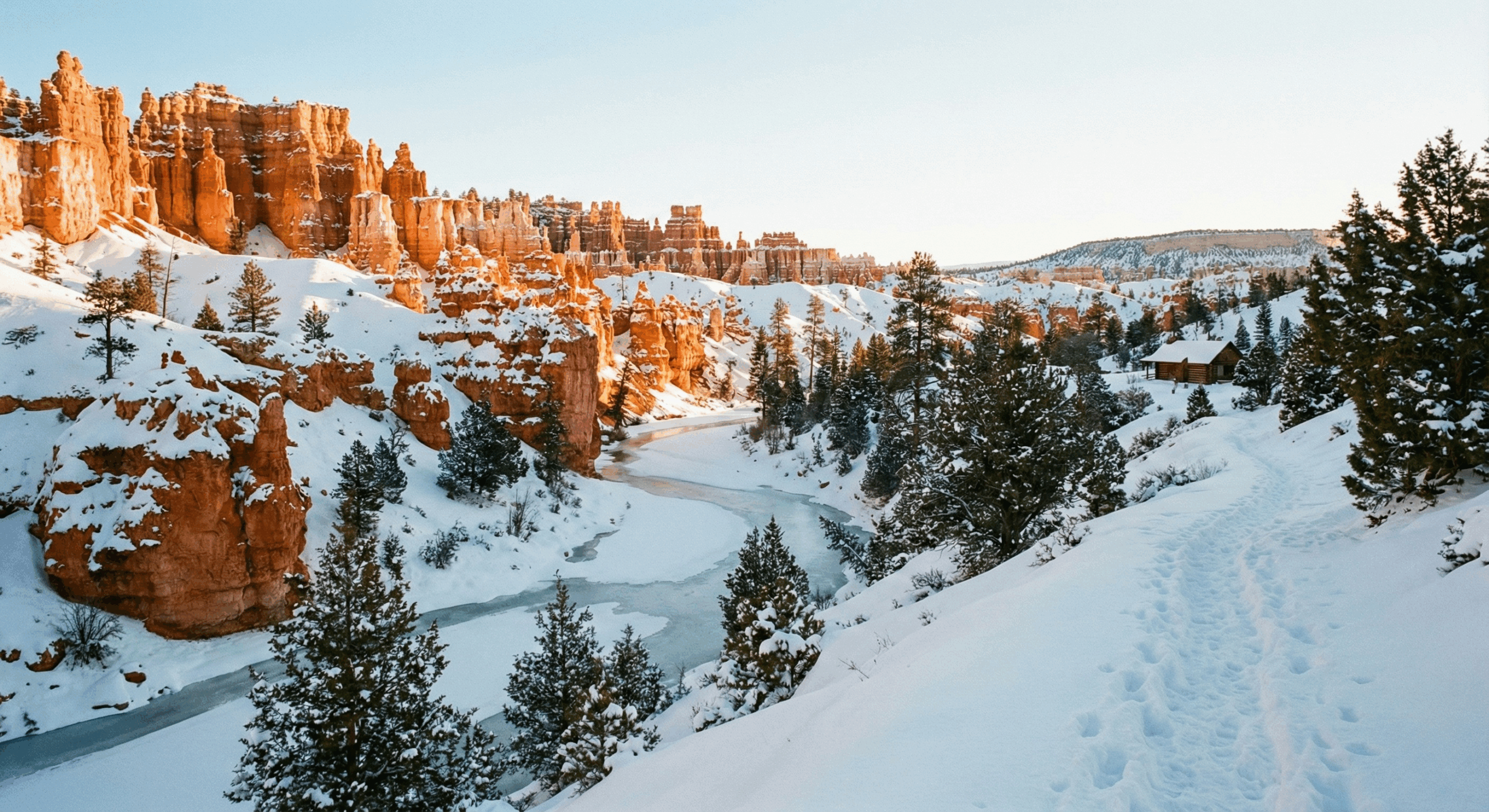
The popular image of a Utah winter involves deep snow and sustained, punishing cold. However, the high-desert climate of Southern Utah, particularly in the St. George and Washington County areas, presents a uniquely complex challenge for homeowners. The risk here isn’t prolonged Arctic temperatures; it’s the intense, daily cycle of thermal stress—warm 55∘ to 65∘F days followed by nights where the temperature can dip into the 30∘F range.
This rapid thermal cycling accelerates material fatigue, making pipes and the building envelope especially vulnerable. As an award-winning writer focused on specialized property maintenance, we’ve distilled the technical requirements into an actionable, local guide to help you protect your assets, maximize energy savings, and navigate the specific demands of a St. George winter.
1. Hardening Your Water Systems: The Priority for Freeze Protection
The single greatest threat to a Southern Utah home during a cold snap is a burst pipe. Proactive measures focused on insulation and disconnection are mandatory.
- Insulate Exposed Plumbing: Pipes in unheated spaces like crawl spaces, garages, or unfinished basements are highly susceptible to freezing. Wrap these lines with foam pipe sleeves or consider installing UL-listed heat tape or thermostatically-controlled heat cables for guaranteed protection. Remember to insulate both hot and cold lines, as stagnant water in either can freeze.
- Manage Exterior Faucets (Hose Bibs): Disconnect all garden hoses and ensure outdoor spigots are fully drained before cold weather hits. Install insulated faucet covers over every exterior hose bib to protect the small section of pipe just inside the wall.
- Seal Air Leaks Near Pipes: Cold air infiltration accelerates freezing. Use caulk or weatherstripping to seal cracks and gaps where utilities penetrate exterior walls, particularly under sinks, in garages, or near the foundation.
2. Mastering the Irrigation Blowout: Technical Specs
While Washington County is sometimes an exception to the statewide recommendation for immediate irrigation shut-off due to its warmer microclimate , residents are strongly encouraged to winterize systems before the first hard frost, typically around October 30th. The blowout method is the recommended procedure for Southern Utah’s freezing climate.
The Blowout Protocol: Pressure is Everything
Damage often occurs when air pressure is unregulated. The air compressor must be capable of a sufficient volume (30 to 50 cubic feet per minute, or CFM) for residential systems, but the pressure must be strictly limited to prevent catastrophic component failure.
| Pipe Material | Recommended PSI Range | Maximum PSI Limit (Do NOT Exceed) |
| PVC (Polyvinyl Chloride) | $40 – 50$ PSI | $80$ PSI |
| Polyethylene | $30 – 40$ PSI | $50$ PSI |
Critical Safety Steps:
- Shut Off: Turn off the main irrigation water valve (found in a garage or basement) and the stop and waste valve (often near the meter).
- Drain & Blow: Connect the compressor and clear each zone individually.
- Time Limit: Do not blow any circuit for more than two minutes at a time, as the heat generated by compressed air can damage the system components.
3. HVAC Efficiency and Local Utility Savingslowout: Technical Specs
Heat pump systems are common in Southern Utah and require targeted pre-season maintenance to ensure they run efficiently and avoid costly reliance on auxiliary heat.
Your Heat Pump Maintenance Checklist:
- Filter Management: Inspect and replace air filters monthly or as needed to maintain optimal airflow and efficiency.
- Outdoor Unit Debris: Clear all debris (leaves, twigs, pine needles) from around the outdoor compressor unit. Restricted airflow reduces the heat pump’s efficiency and hampers the critical defrost cycle.
- Professional Tune-Up: Schedule an annual tune-up. Professionals will lubricate moving parts, clean components, and inspect ductwork for leaks, which can waste up to 30% of conditioned air.
Leveraging Dixie Power Rebates
Local utility providers like Dixie Power offer significant financial incentives to encourage energy efficiency, connecting your maintenance efforts directly to cost savings.
- Smart Thermostat Rebate: Available to Dixie Power members who enroll in the Time of Day (TOD) Optional Rate. This promotes efficiency by encouraging the programming of heating cycles to avoid peak energy demand periods.
- Heat Pump Rebate (New Construction): Offers $200 per ton for high-efficiency Electric or Dual Fuel Heat Pumps (minimum 2-ton) that meet a 14 SEER minimum.
4. Fortifying the Building Envelope and Using Passive Heat
The easiest way to cut winter heating costs is to ensure your home is properly sealed.
- Seal All Drafts: Use caulk and weatherstripping to seal air leaks around all windows, doors, and electrical outlets. Critically, check the rubber bottom seal on your garage door, which blocks cold air, dust, and pests.
- Harness Solar Gain: Take advantage of St. George’s sunny climate by opening blinds and curtains on south-facing windows during the day to allow the sun to passively heat your home. Close them immediately when the sun sets to trap that acquired warmth inside.
- The Tile Roof Advantage: Many Southern Utah homes utilize tile roofs, which are excellent insulators, providing an added thermal barrier against the constant temperature changes of the high-desert climate.
5. Essential Safety and Emergency Readiness
While the weather is generally mild, preparing for sudden, severe cold is paramount.
- Carbon Monoxide Safety: As heating systems run more often, the risk of carbon monoxide (CO) poisoning rises. Ensure CO detectors are installed and maintained throughout the residence.
- Know Your Alert Thresholds: Local authorities issue “Code Blue” alerts when temperatures, including wind chill, are expected to drop to 18∘F or below for two hours or more. This is the trigger point for extreme preventive action.
- Vehicle Security Advisory: Never leave a vehicle running unattended to warm up or de-ice. This is a high-risk activity for vehicle theft during the winter season.